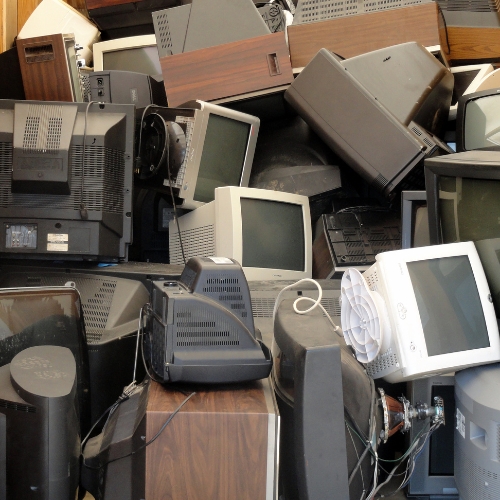
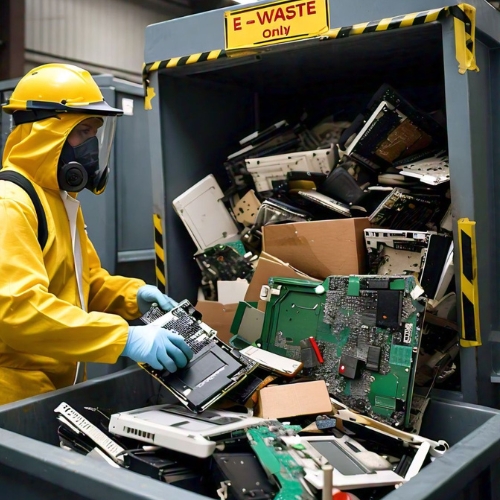
E-waste, or electronic waste, refers to discarded electronic devices such as computers, smartphones, televisions, refrigerators, and other electronic appliances. As technology advances rapidly, the lifespan of electronic goods shortens, leading to a significant increase in the generation of e-waste. Improper disposal of e-waste poses a growing environmental and public health threat, making its responsible processing a global priority.
E-waste contains harmful materials such as lead, mercury, cadmium, and flame retardants. If not properly disposed of or processed, these toxic substances can leach into soil and water, causing severe environmental contamination. In particular:
Soil contamination: Hazardous materials from e-waste can seep into the earth, affecting the growth of plants and agriculture.
Water pollution: Toxic substances can contaminate water bodies, leading to harm to aquatic life and the disruption of ecosystems.
Air pollution: Improper incineration of e-waste releases harmful chemicals into the air, affecting air quality
and contributing to global warming
The processing of e-waste is essential for several reasons:
Environmental Protection: Proper e-waste recycling prevents the release of toxic chemicals into the
environment and helps conserve natural resources by recovering valuable metals such as gold, silver,
and copper
Economic Value: E-waste contains precious materials that, if recovered, can be used to manufacture new products, reducing the need for mining and new resource extraction.
Regulatory Compliance: Many countries have stringent laws regarding the proper disposal of e-waste. Recycling helps meet these legal requirements while also contributing to corporate social responsibility.
Properties :-
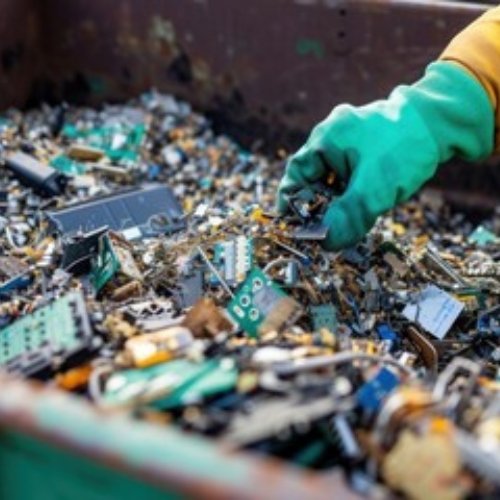
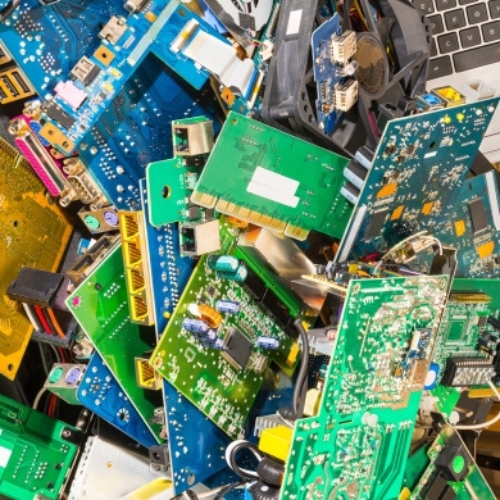
PCBs are essential in electronic devices, connecting various components through intricate circuits. They are made from high-grade plastic and are typically reinforced with materials like glass fiber. PCBs contain small quantities of valuable metals like gold, silver, copper, and palladium.
Global Impact :-
PCA Processing’s entry into the e-waste industry, with a focus on copper, aluminium, and PCB recycling, presents a significant opportunity for environmental protection, economic growth, and technological advancement. With proper management of these materials and their by-products, the company can capitalize on the growing global e-waste recycling market while contributing to sustainability efforts and reducing environmental impacts. Our investment in state-of-the-art technology and a sustainable business model demonstrates our dedication to environmental protection and global waste reduction.
By turning potential pollutants into valuable resources, PCA Processing can lead the way in creating a circular economy where e-waste is a source of raw materials rather than environmental degradation.


PCA Processing’s entry into the e-waste industry, with a focus on copper, aluminium, and PCB recycling, presents a significant opportunity for environmental protection, economic growth, and technological advancement. With proper management of these materials and their by-products, the company can capitalize on the growing global e-waste recycling market while contributing to sustainability efforts and reducing environmental impacts. Our investment in state-of-the-art technology and a sustainable business model demonstrates our dedication to environmental protection and global waste reduction.
By turning potential pollutants into valuable resources, PCA Processing can lead the way in creating a circular economy where e-waste is a source of raw materials rather than environmental degradation.


what We Do
Phasellus laoreet aliquet velit. Maecenas mauris eros. Praesent nec gravida mi quis.
Testimonials
Lorem ipsum dolor sit amet, consectetur adipiscing elit. Nam nec diam blandit, fringilla orci eu imperdiet orci. Nam porttitor eu dolor quis blandit.